
Here are some of the most beautiful mosques in the world. Located in Istanbul. I like every one and each of Istanbul's Ottoman mosques and I love to explore new ones and visit as many as I can on every trip to Turkiye.
Yıldız Hamidiye Camii
Beşiktaş, Istanbul
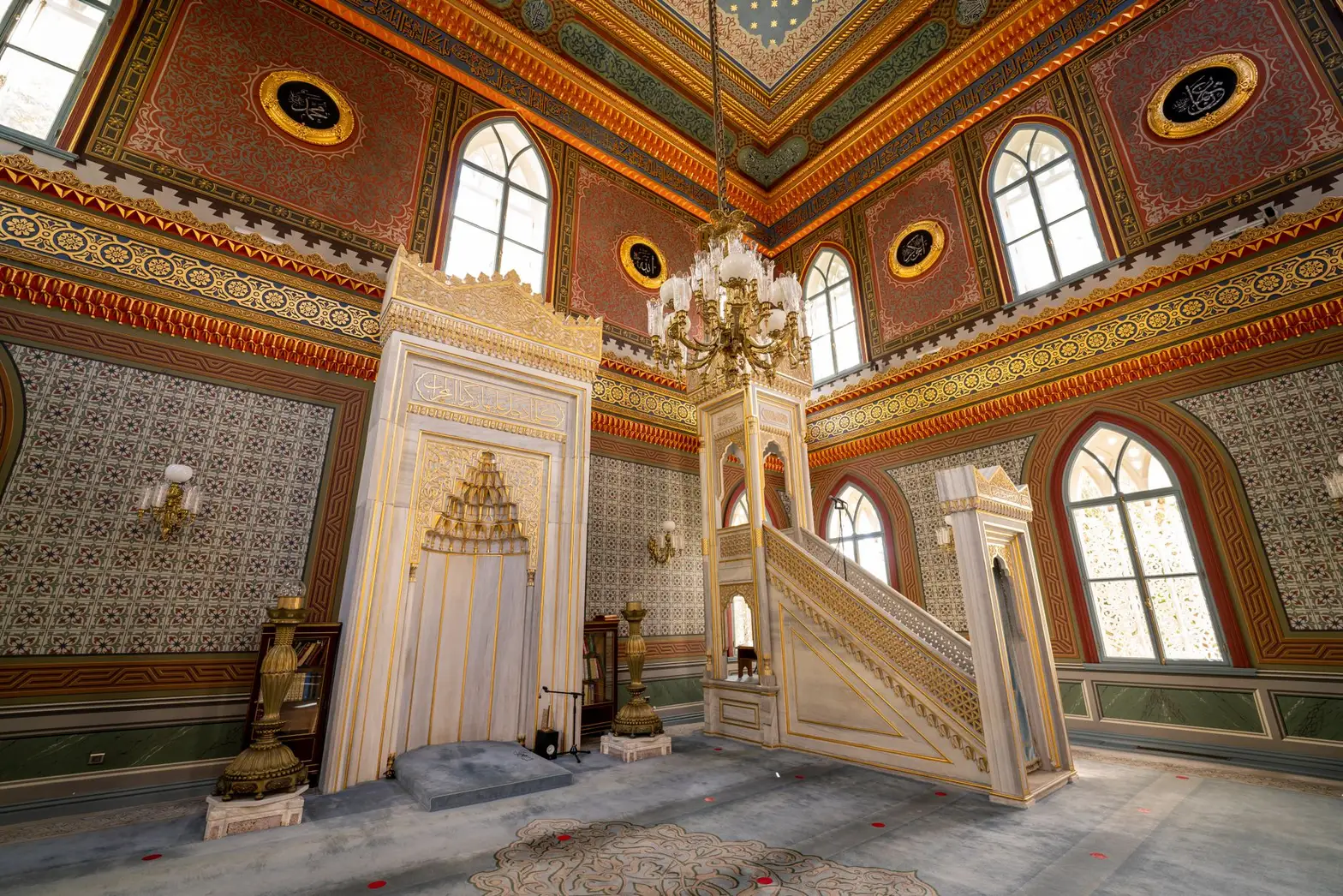
Built in 1884–1886 for Sultan Abdülhamid II, Yıldız Hamidiye stands beside the approach to Yıldız Palace in Beşiktaş. Its architecture mixes classical Ottoman motifs with Neo-Gothic details rather than following the older imperial-mosque style. A miniature replica of the mosque even crowns an Ottoman monument in Damascus.
Süleymaniye Camii
Fatih, Istanbul
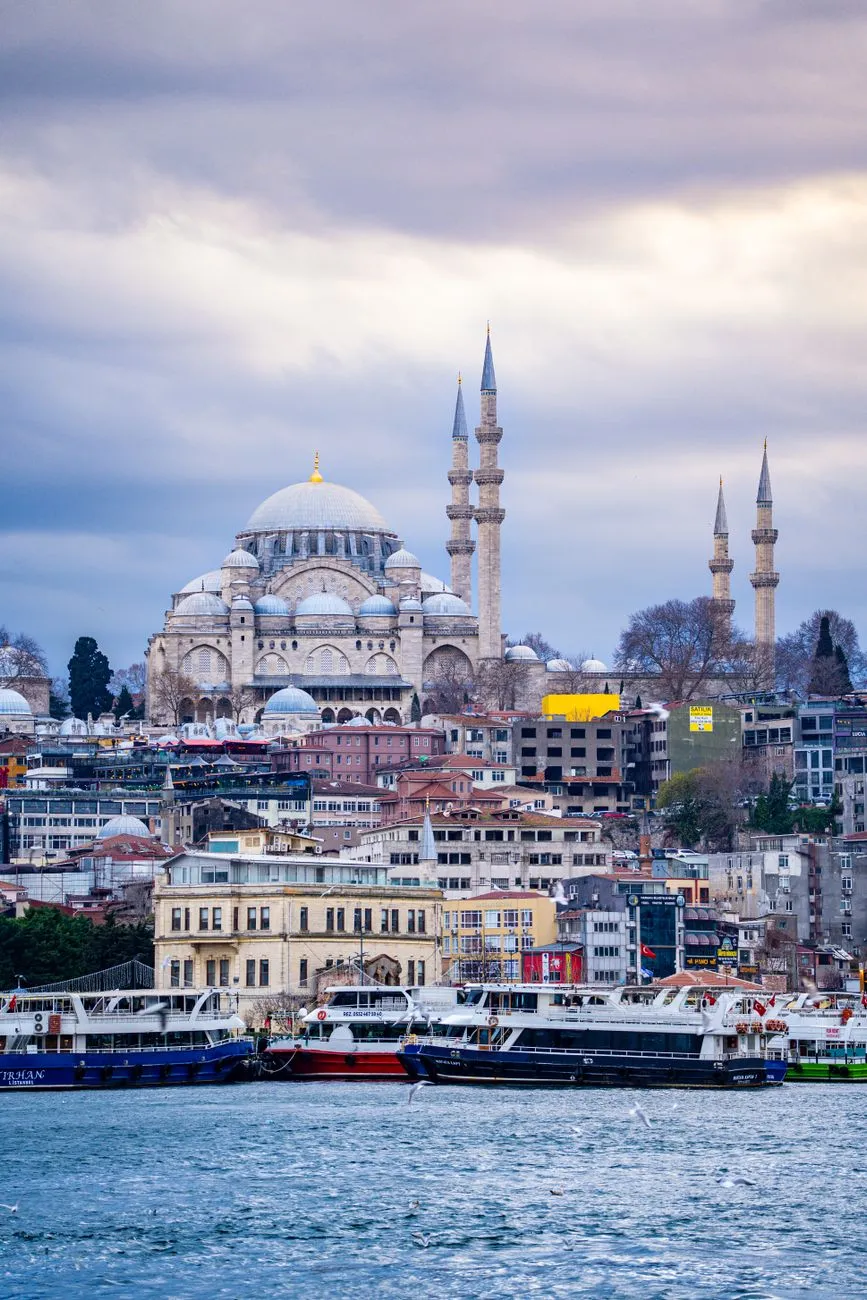
Built in 1550–1557, Süleymaniye was designed by Mimar Sinan for Sultan Süleyman the Magnificent on Istanbul’s third hill. It was conceived as much more than a prayer hall: its surrounding complex included schools, a hospital, a public kitchen and a bathhouse. Süleyman and Hürrem Sultan are buried in the garden behind the mosque.
Ortaköy Camii
Ortaköy, Istanbul
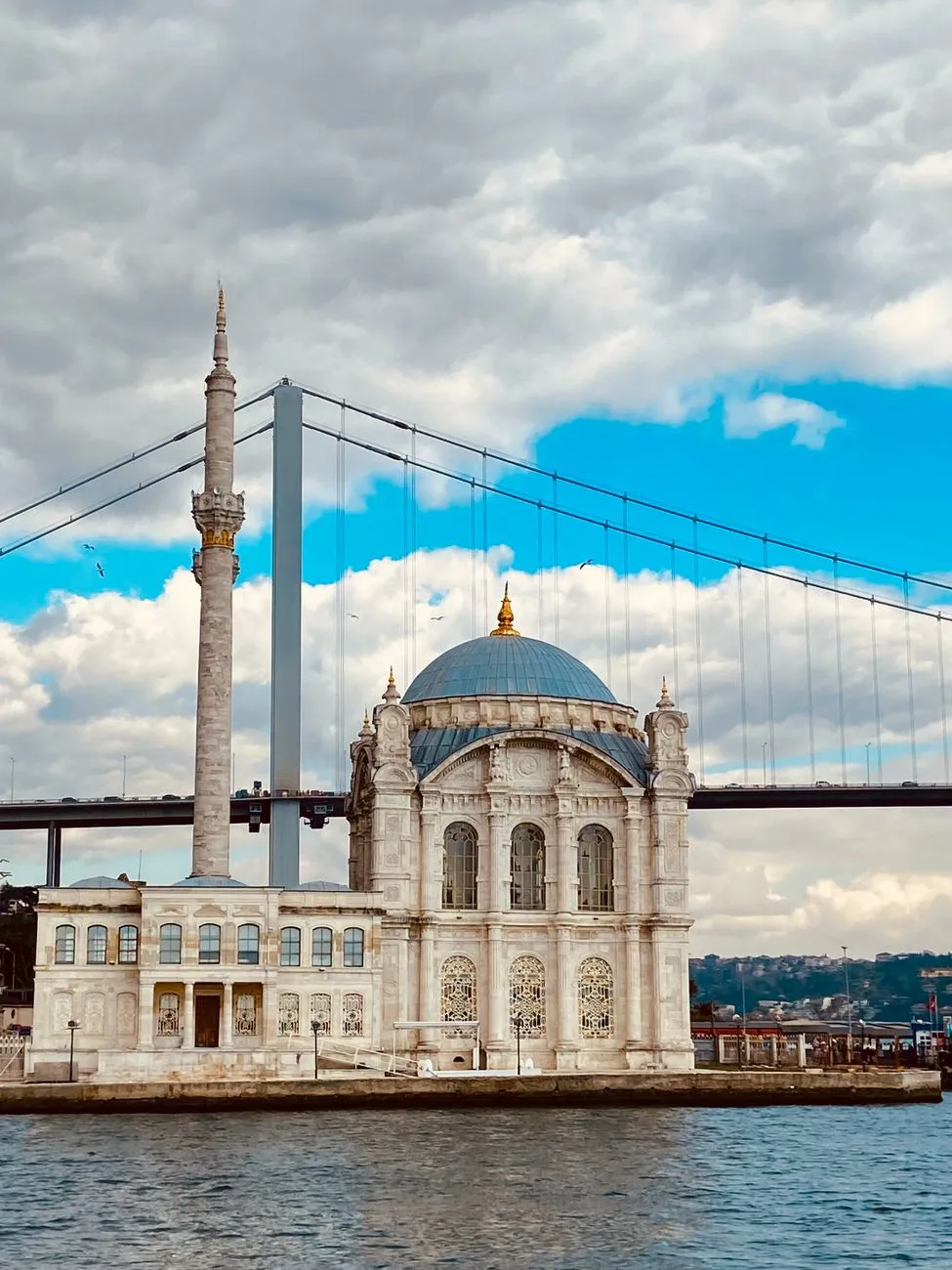
Commissioned by Sultan Abdülmecid I and completed in the mid-1850s, Ortaköy’s official name is Büyük Mecidiye Camii; published completion dates vary between 1854 and 1856. Designed by Garabet and Nigoğayos Balyan, it brings ornate nineteenth-century architecture right to the Bosphorus waterfront. Its large windows fill the interior with light reflected from the water.
Hamid-i Evvel (Beylerbeyi) Camii
Beylerbeyi, Istanbul
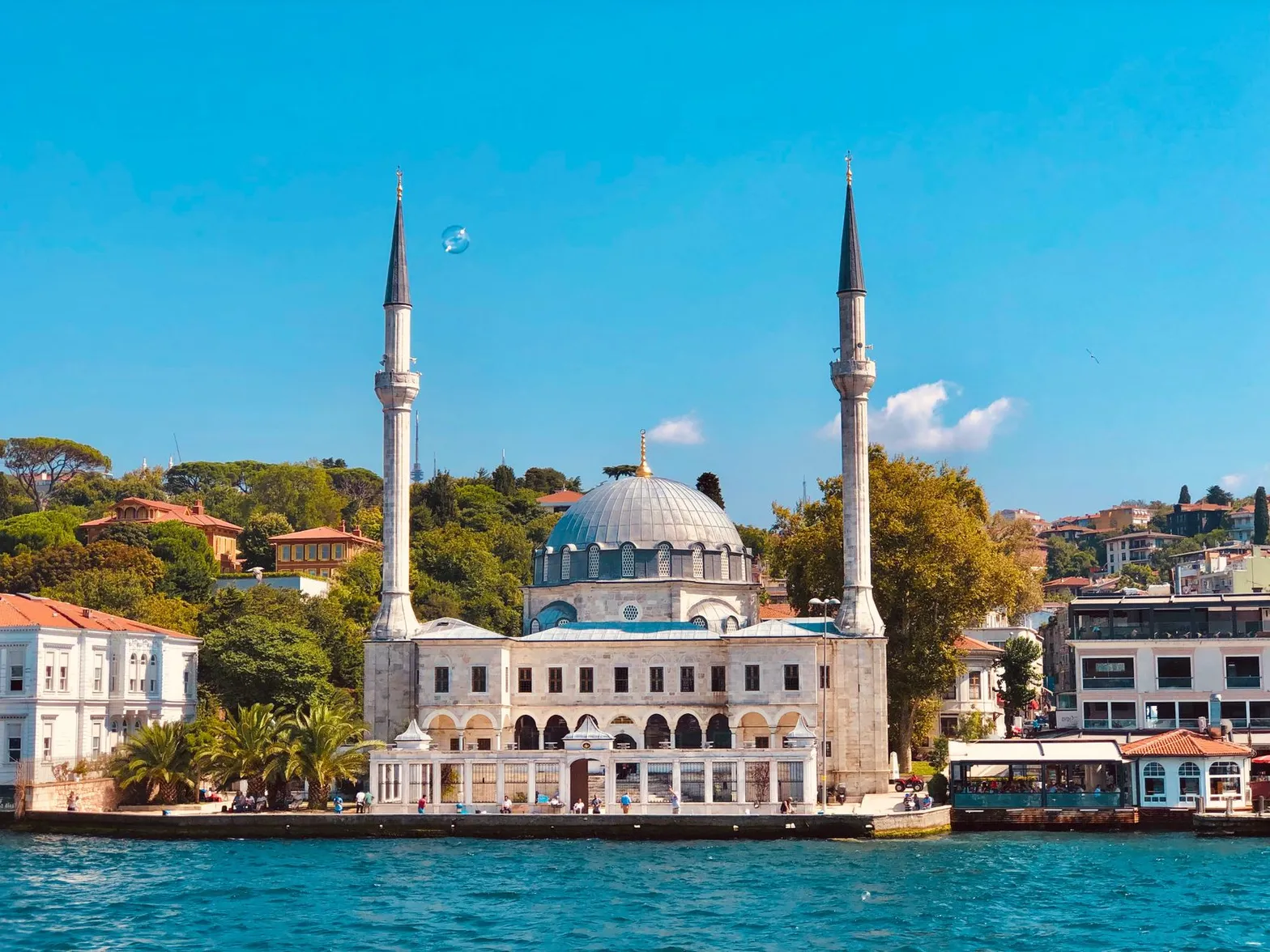
Also known as Beylerbeyi Camii, this waterfront mosque was built in 1777–1778 by Sultan Abdülhamid I in memory of his mother, Rabia Şermi Kadın. It occupies the site of the former İstavroz Palace on the Asian shore of the Bosphorus. Mahmud II substantially altered it in 1820–1821, so the building today reflects more than one imperial reign.
Küçük Ayasofya Camii
Küçük Ayasofya, Istanbul
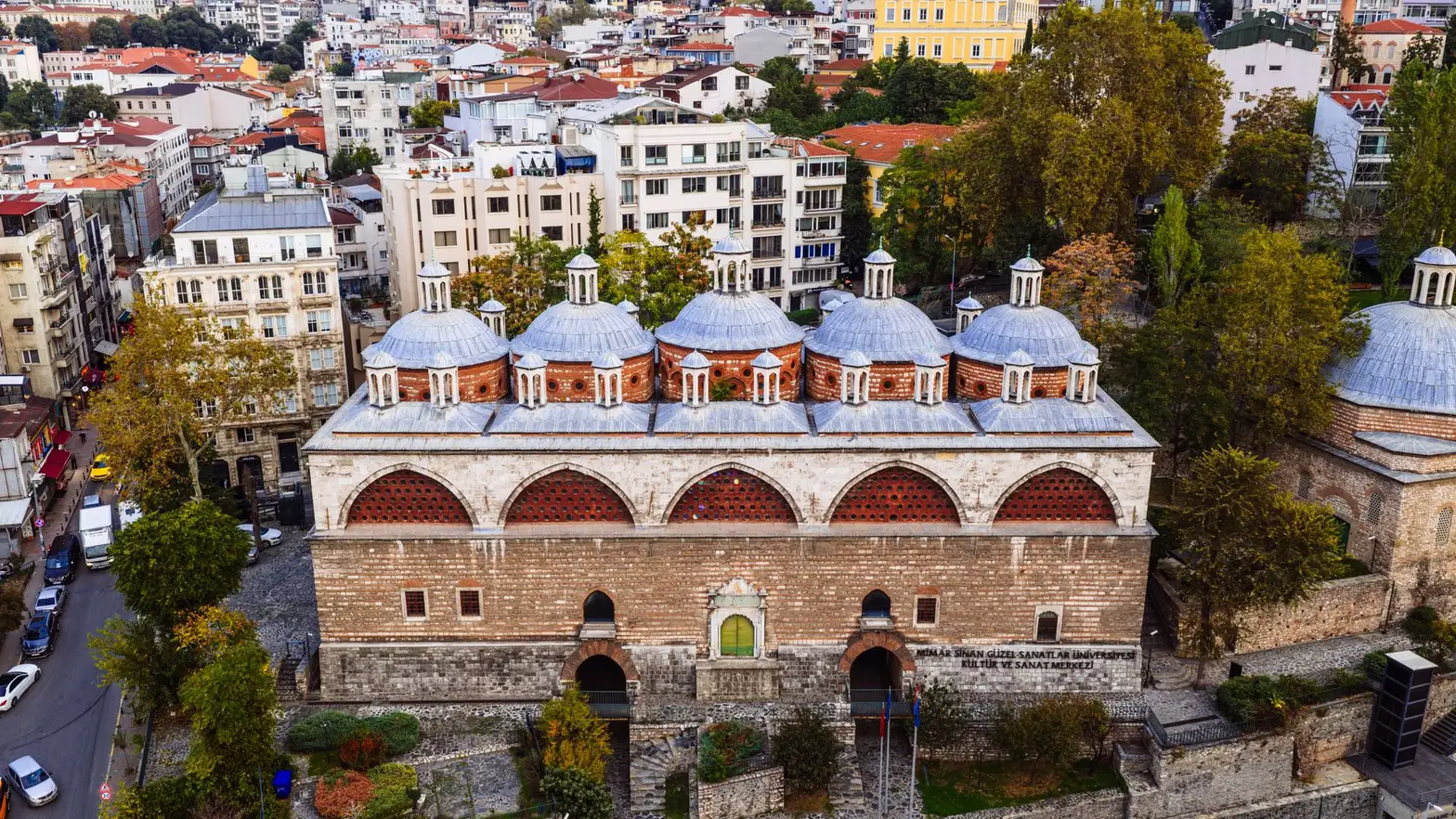
Originally the Byzantine Church of Saints Sergius and Bacchus, this building dates to the sixth century, traditionally around 527–536, although its precise construction dates are debated. It became a mosque in the early sixteenth century under Hüseyin Ağa. Despite its nickname, “Little Hagia Sophia,” historians do not generally accept the familiar story that it was simply a small-scale rehearsal for Hagia Sophia.
Selimiye Camii
Edirne
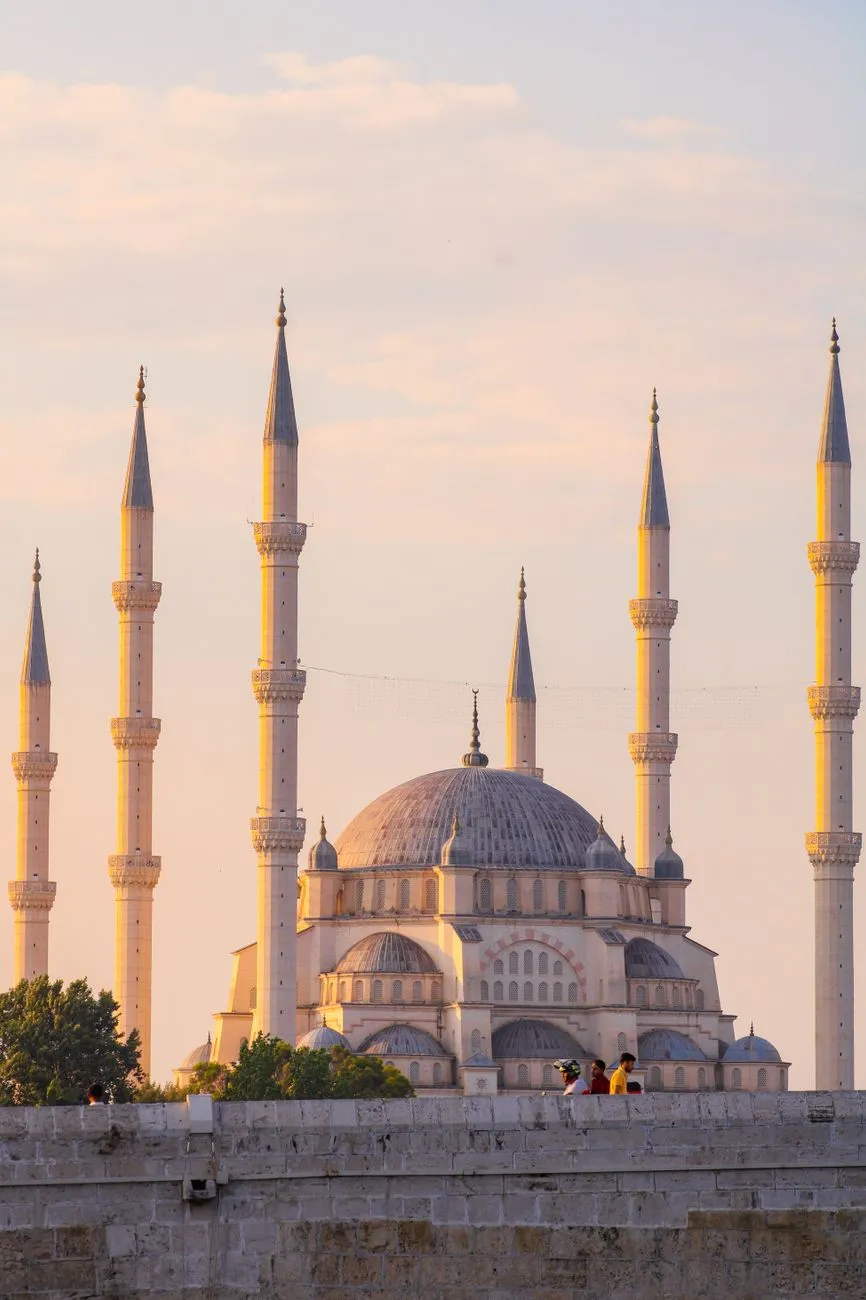
Built in 1568–1575 for Sultan Selim II, Selimiye was the work Sinan himself regarded as his masterpiece. Eight enormous supports carry the central dome, creating an unusually unified prayer space beneath it. The mosque and its surrounding social complex became a UNESCO World Heritage Site in 2011.
Sokullu Mehmet Paşa Camii
Azapkapı, Beyoğlu, Istanbul
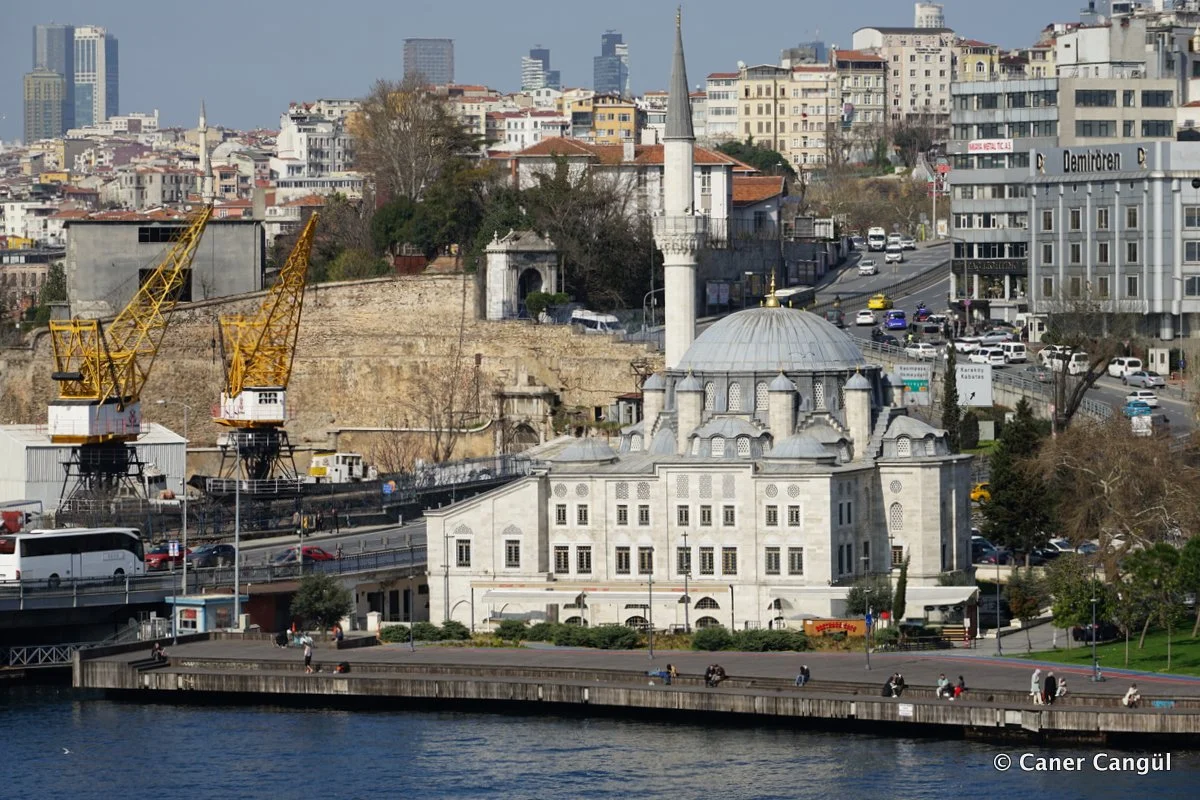
Built in 1577–1578, this mosque was designed by Mimar Sinan for Grand Vizier Sokullu Mehmet Paşa near the Golden Horn in Azapkapı. Its prayer hall is raised above a vaulted lower structure, while eight supports carry the central dome, echoing the structural approach Sinan used at Selimiye. Its minaret stands separately from the main prayer hall and is connected to it by an elevated passage.
Photo still to be added.
Şehzade Camii
Fatih, Istanbul
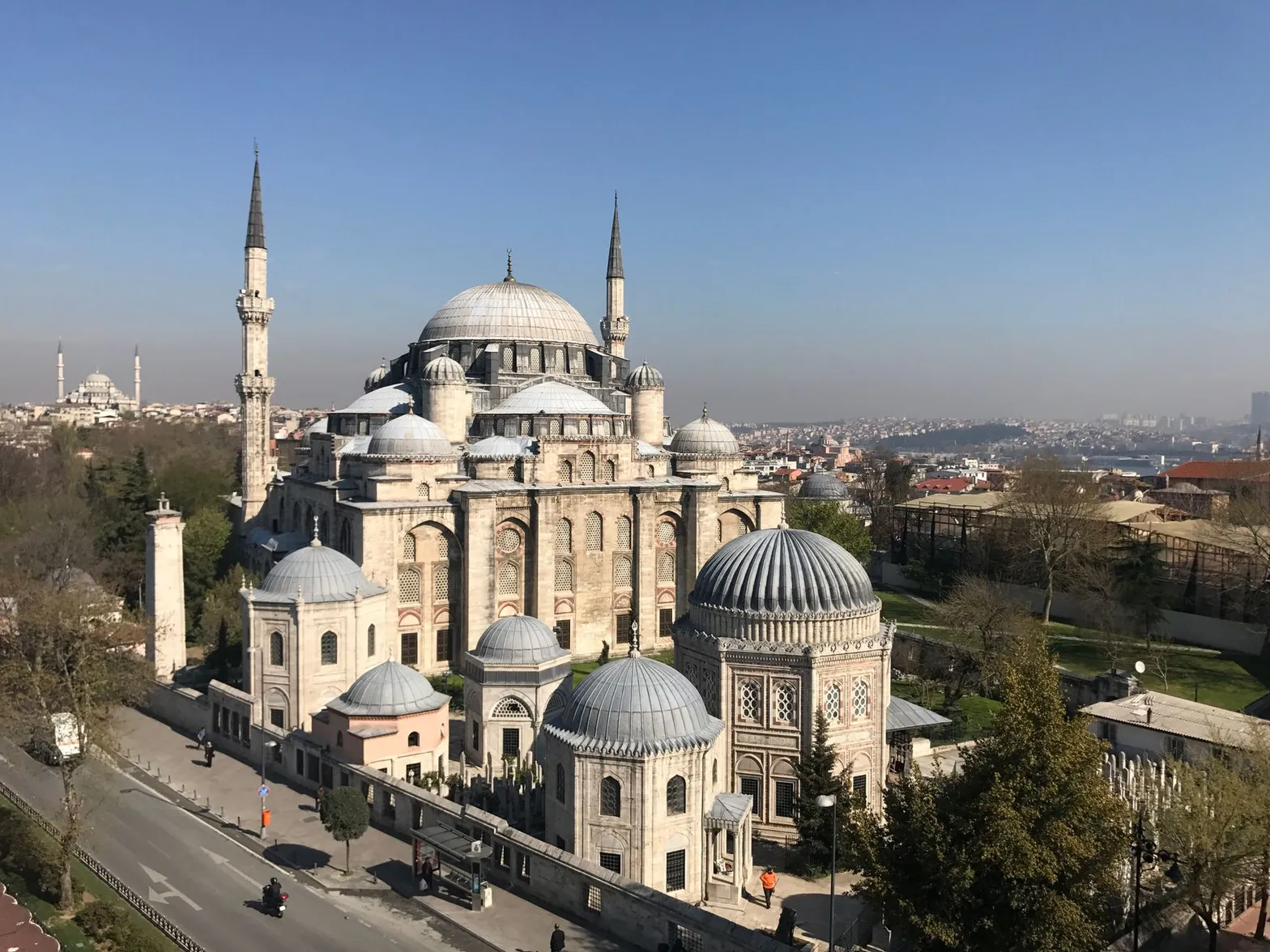
Built in 1545–1548, Şehzade Camii was commissioned by Süleyman the Magnificent in memory of his son Şehzade Mehmed, who died in 1543. It was Sinan’s first major imperial mosque commission, with four half-domes arranged symmetrically around the central dome. Its two minarets have unusually elaborate carved geometric decoration, a treatment Sinan rarely repeated in later mosques.
Nuruosmaniye Camii
Grand Bazaar, Istanbul
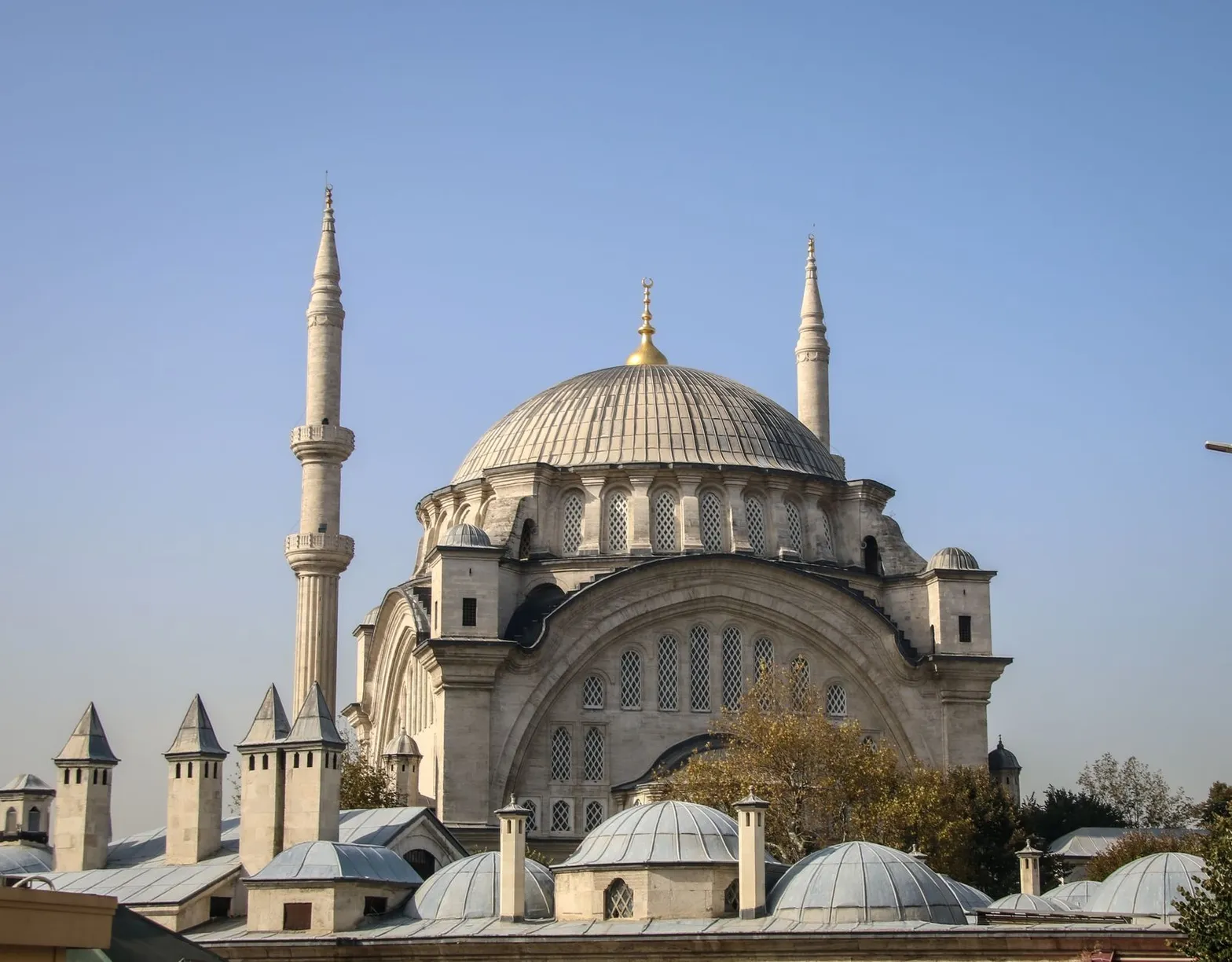
Built in 1748–1755, Nuruosmaniye was begun under Mahmud I and completed during the reign of his successor, Osman III. Beside the Grand Bazaar, it marked a major turn toward Ottoman Baroque architecture, with sweeping curves and an unusual horseshoe-shaped courtyard. Unlike most large Ottoman mosque courtyards, this one has no central ablution fountain.
Nusretiye Camii
Tophane, Beyoğlu, Istanbul
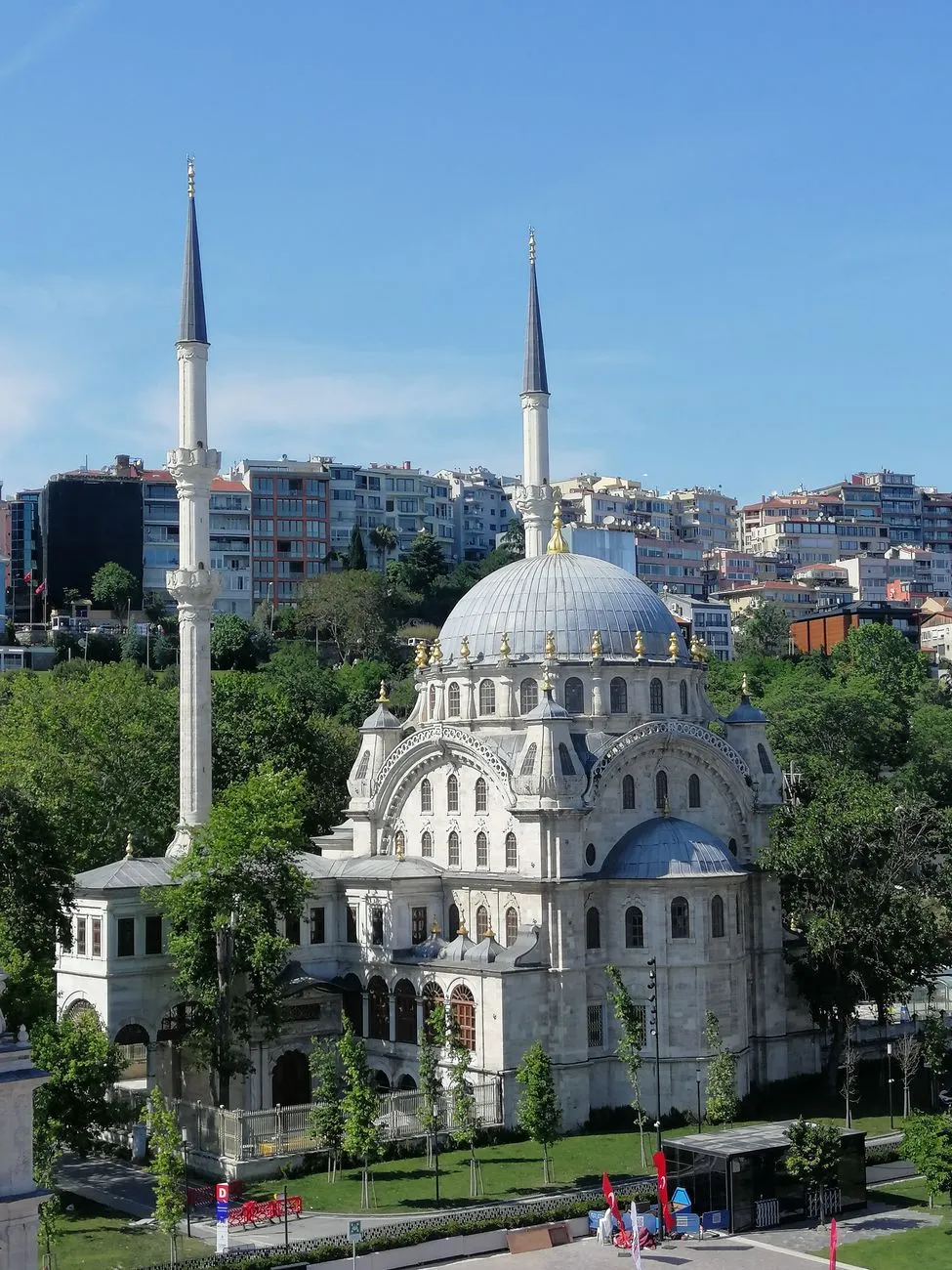
Built in the 1820s and completed in 1826, Nusretiye was commissioned by Sultan Mahmud II and designed by Krikor Balyan. Its name, associated with “victory,” commemorates Mahmud II’s destruction of the Janissary corps in the year of its completion. Its richly decorated exterior and slender twin minarets belong to the transition from Ottoman Baroque toward nineteenth-century imperial styles.